we all love
Lakes First
Look deep into our History , and you will
understand everything better.
Lakes state on Background
Lakes is a state in South Sudan. It has an area of 43,595.08 km2. Rumbek is the capital of the state. Lakes is in the Bahr el Ghazal region of South Sudan, in addition to Northern Bahr el Ghazal, Western Bahr el Ghazal, and Warrap states. Bahr el Ghazal itself was a former province which was split from the Anglo-Egyptian mudiriyat, or province of Equatoria in 1948. The eastern border was the White Nile with Jonglei State on the opposite bank. To the northeast lied the Unity State. Other borders included Warrap State towards the northwest, Western Equatoria to the south and west, and Central Equatoria to the south.
Lakes State occupies approximately 40,235 sq km within the Greater Bahr el Gazal region and is bordered by Unity, Warrap, Jonglei and Western and Central Equatoria States. It is composed of eight counties, namely, Cuiebet, Rumbek North, Rumbek Central, Rumbek East, Yirol West, Yirol East, Awerial and Wulu. The state capital is Rumbek. Lakes State’s estimated population is 695,730, of which 365,999 are male and 329,731 are female.1 Majority of the state’s citizens are members of the dominant Dinka ethnic group and the Jur tribe which occupy Wulu County.
Lakes state is one of the 10 states of south Sudan, located in the center the country .it is names after the lakes region that includes Lake Yirol, Lake Abienhom and many other small lakes. The region is predominantly rural despite its challenges, it offers untouched Natural beauty, wildlife, and bird watching opportunities.
The state has a history of conflict over resources like cattle, but violence has recently decline, although tensions and negative cultural practices persist. Lakes state also features a landscape of floodplain and hills, and a significant wet season from April to October.
Lakes counties
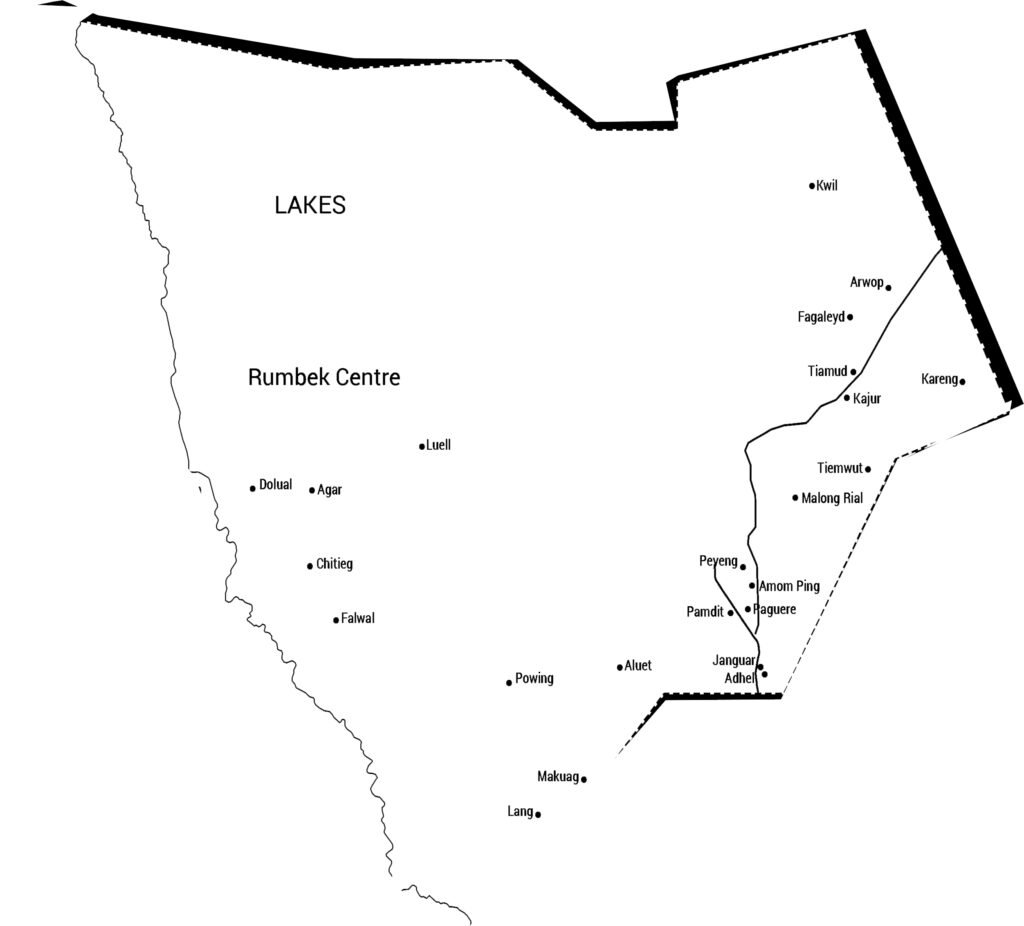
1-Rumbek Center
Rumbek Central is composed of six payams, namely, Rumbek Town, Matangai, Amongpiny, Mayom, Jiir and Malek. It is the most populated county in Lakes State and the center of all social services and state government administration. Additionally, it is the center of commercial activities and is inhabited by diverse ethnic groups as well as foreign workers and business people. According to the recent population census report, there are 153,550 people living in Rumbek Central, of which 83,014 are men and 70,536 are women.5 The dominant ethnic groups in the area are the Dinka and the Agar.
Water is scarce across the county due to the limited number of water points. Women walk four hours a day to fetch water during the dry season and violence is common. Approximately 250 people use one hand pump as their primary water source services. Payams bordering Wulu, Cuiebet and Unity State do not have an adequate police force with the necessary communication and transport systems to respond immediately to violence issues. There is an apparent lack of essential drugs and healthcare workers, resulting in a high level of maternal mortality and malaria deaths. Food insecurity is a major issue, as the 2024 yield was inadequate. The lack of teachers in schools has led to low enrolment rates.
The main source of insecurity and conflict in the county is ethnic clashes that are non-political and locally based. These conflicts recur, largely because of the seasonal migrations of cattle herders moving to grazing lands and river points, thus affecting the productivity of local pastoralists. The areas most affected are the payams bordering Cuiebet, Unity State, and Wulu Counties (these are primarily Amongpiny, Mayom, and Malek payams). Key sources of conflict include cattle rustling, border and grazing land disputes, and the presence of guns in the area. In the group discussions conducted, participants highlighted the issue of revenge attacks among youth from other communities, especially when
2-Rumbek East
Rumbek East is composed of seven payams: Maleng-Agok, Cueicok, Paloc, Akot, Atiaba, Pacong and Aduel. Rumbek East’s total population is 122,832, of which 65,725 are male and 57,107 female.6 the main economic activities in Rumbek East are cattle herding and farming (located along the roads). Some people are engaged in small-scale trading of essential goods or fishing along local rivers, mainly for household consumption. The county is primarily inhabited by the Dinka and Agar tribes. Services are poor across the county due to a general lack of physical infrastructure and manpower. Access to markets and inability to transport agricultural produce has proven to be a serious challenge to the county.
3-Rumbek North
Rumbek North County is composed of six payams: Maper, Alor, Malueth, Madol, Mayen and Wunreing. It is the second least populated county in Lakes State, with a total population of 44,410 of which 24,395 are male and 19,015 are female.7 The majority of the county remains inaccessible due to bad roads during the rainy season. Although construction of road from Rumbek Central to Maper payam is currently in process, most areas remain inaccessible. Generally, there is a lack of basic infrastructure, such as roads, health facilities and education. Most of the population is currently displaced and residing in Rumbek Central.
.
4- Cuiebet
Cuiebet County is composed of six payams: Abiriu, Citcok, Duony, Malou-Pec, Ngap and Pagor. Cuiebet is the second largest county in Lakes State, with a total population of 117,755 people, of which 60,188 are male and 57,567 female.[1] Cuiebet is observed to be the most organized and busiest county in Lakes State after Rumbek Central and Yirol West, due to its proximity to the busy road to Wau in Western Bhar el Gazal.
Cuiebet has a fairly well-developed commercial centre and numerous small traders selling imported essential commodities. Schools within the centre are operational and health facilities are adequate compared to other counties. However, the road from Rumbek Central to the county headquarters is in poor condition. The dominant ethnic group here is the Dinka of Agok. Elders and women’s groups are quite organized and frequently contribute to local peacebuilding work, such as assisting the government in the peaceful disarmament of civilians. Women have also been engaged in peace sensitization and community mobilization, in addition to generating incomes through village savings groups and agriculture.
5-Yirol East
Yirol East is composed of six payams: Adior, Lekakedu, Malek, Pagarau, Tinagau and Yali. This is a newly created county which was once a part of Yirol West. The total population of the county is 67,402, of which 33,997 are male and 33,425 are female.[1] As the county is new, its administration is similarly young. Due to instability from neighbouring payams, a large number of people have been displaced here. Yirol East had previously experienced food shortage from prolonged drought. However, the team observed that the county is administratively organized and government presence is felt at all levels of the population. Although there are a number of poor roads which serve the different payams, the state government was constructing roads linking Yirol East to Yirol West at the time of the consultations.
6-Yirol West
Yirol West County comprises of seven payams: Abang, Aluakluak, Anuol, Geng-Geng, Ghar (Gher), Mapourdit and Yirol Centre. Yirol West has a total population of 103,190, of which 53,835 are male and 49,355 are female.10 This is one of the most commercialized counties with traders from outside South Sudan. There are relatively better infrastructures, such as health and education facilities, and roads leading to the town centre. However, roads connecting the payams are in bad condition. The county is bordered with water points allowing communities to take fishing as one of its viable economic activities.
7-Wulu
Wulu County is composed of four payams: Wulu, Domoloto, Makundi and Bhargel. It is the least populated county in Lakes State with a total population of 40,550, of which 21,447 are male and 19,103 are female.[1] The area is primarily inhabited by the Jur, a group traditionally composed of farmers. They grow a wide variety of crops including groundnut and sorghum, in addition to beekeeping and fishing. Wulu is perhaps one of the most neglected counties in Lakes State in terms of infrastructure. Roads connecting Rumbek Central to the Wulu County Administrative Headquarters are poor and many parts are insecure. The only school in the county lack basic infrastructure and equipment. The county’s health centre was built with support from UNDP but is currently neglected.
8-Awerial
Awerial is composed of eight payams: Abuyong, Bun-Agok, Dor, Magok, Nile, Puluk, Alel I and Alel II. It is inhabited by the Dinka Atwot. Awerial has a population of 47,041, of which 23,299 are male and 23,742 are female.12 Basic social services such as healthcare and schools are lacking. The main issues in Awerial County are inaccessibility and insecurity. The county headquarters are inaccessible, as are most payams. Most of the county’s inhabitants are displaced due to the recent conflict with the Terekea of Eastern Equatoria State.
Religious
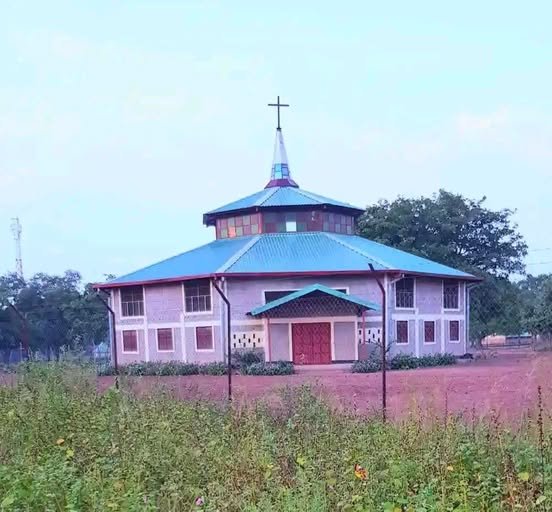
The primary religions in Lakes State are Christianity and Indigenous religious traditions, with Christianity being the majority religion. Major Christian denominations include the Roman Catholic and Episcopal churches, while indigenous practices centered on a creator god and ancestral spirits are also widely followed. Many people practice a blend of both Christianity and indigenous beliefs.
Christianity
- Main denominations: Roman Catholic and Episcopal churches are prominent, along with other Protestant groups like Presbyterian and Pentecostal.
- Blend of beliefs: Many residents are Christians but also integrate traditional beliefs into their practice.
- Christian missionary work: The area sees missionary efforts, but there is a reported shortage of trained workers and resources in local languages like Dinka.
Indigenous religions
- Traditional beliefs: The predominant indigenous faith for the Dinka people in the region involves reverence for the creator god Nhialic and a host of ancestral spirits.
- Cultural role: Rituals, sacrifices, and spiritual leadership are deeply embedded in community life.
- Coexistence: Indigenous practices are often blended with Christian teachings, and many people adhere to their traditional beliefs concurrently with Christianity.
Other religions
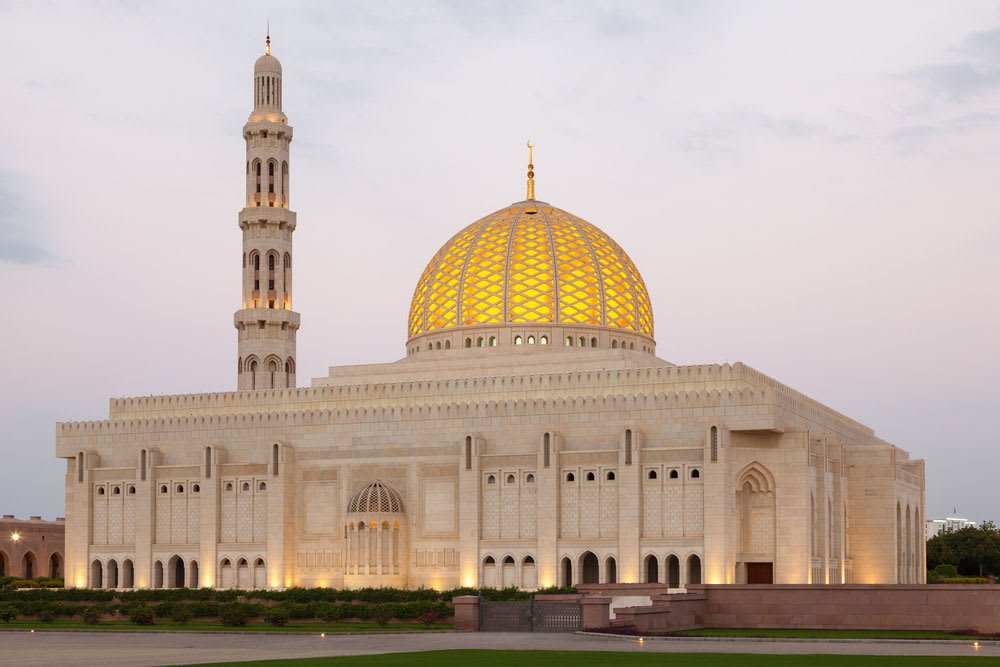
- Minority faiths: Smaller congregations of other faiths exist, including Islam and various other Christian denominations, though they are less prevalent than the main ones.
Islam: While the majority of the population is Christian, there is a Muslim minority in South Sudan, though their presence in Lakes State is not specifically detailed in these our search results.
Lakes state populations
695,730
Climate
- Spring
Spring is hot with temperatures ranging from 30 to 40 degrees Celsius, making it a challenging time for travel.
- Summer
Summer is extremely hot with temperatures often exceeding 40 degrees Celsius, not ideal for outdoor activities.
- Fall
Fall sees a slight decrease in temperature but remains hot, with occasional rainfall.
- Winter
Winter is the coolest season, but temperatures still range from 25 to 35 degrees Celsius.
- Wildlife:The region is home to a variety of wildlife, offering opportunities for animal sightings.
- Bird Watching:The region’s lakes attract a variety of bird species, making it a great spot for bird watching.
- Untouched Nature:The state’s remote location means many of its natural areas remain untouched and pristine.
- Cultural Experience:Lakes State offers a unique cultural experience with its diverse ethnic groups and traditional practices.
- Fishing Opportunities:With numerous lakes, there are ample opportunities for fishing.
- Language Barrier:English is not widely spoken, which could pose communication challenges.
• Sport
- Popular sports in Lakes state include football, wrestling, and basketball, with the state government and various organizations actively promoting them to foster peace and unity. Wrestling is considered a traditional sport used to bridge community divides, while football and basketball tournaments are frequently held to engage youth and encourage development. Volleyball is also played, particularly among girls
- Football: The most popular sport, with regular tournaments organized to promote peace and cohesion.
- Wrestling: A traditional sport that the government promotes as a tool for peace and unity between communities.
- Basketball: Gaining popularity, with some athletes from Lakes state representing South Sudan internationally.
- Volleyball: Commonly played, especially by girls.
Government and community initiativese
- The government of Lakes State, in partnership with organizations like GAL-Sport and Glexcon, supports and promotes sports to create economic opportunities and provide a positive outlet for youth.
- There is a strong emphasis on using sports for social development, with initiatives aimed at reducing conflict and crime, promoting healing, and fostering a sense of belonging.
The Lakes State Olympics is an example of organized, multi-county sporting events that bring communities together.
- Despite the promotion of sports, a key challenge is a lack of funding and resources, such as footballs and netballs.
- The government encourages parents to support their children’s athletic pursuits financially and morally to help ensure the sustainability of sports programs.
- Political Instability:
- Lakes State has experienced political instability, which can affect travel plans.
- Limited Infrastructure:
- The state’s infrastructure is underdeveloped, making travel difficult.
- Limited Healthcare Facilities:
- Healthcare facilities are limited and not up to western standards.
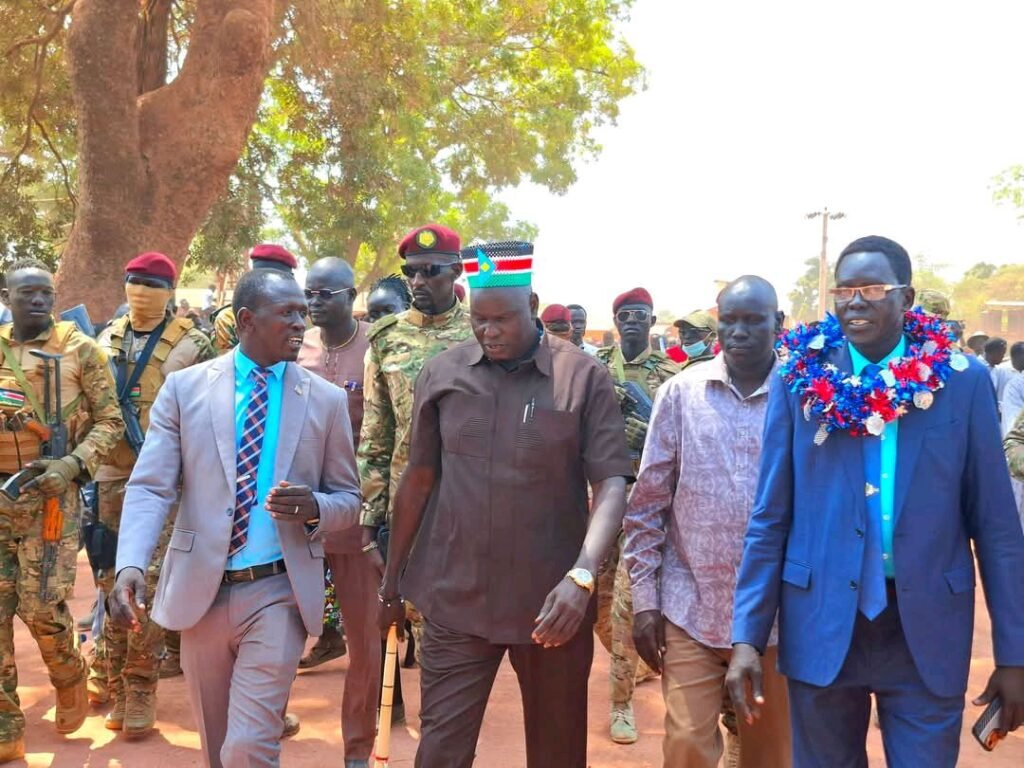
governor with Minister of Cabinet Affairs & commissioner of Rumbek center
Structure of the Cabinet of Lakes State.
1-H.E. Maj. Gen. Madhang Majok Meen _ Governor, SPLM.
2. Hon. Dr. Isaiah Akol Mathiang Machut _ Deputy Governor, IO
Cabinet Advisors:
- Hon. Peter Agar AKuocbai Kuch _ Advisor for Peace & Security, National Agenda.
- Hon. Aruai Osman Bol _ Advisor for Economics Affairs, SSOA.
- Hon. Suad Gabriel Abdullah Makoi _ Advisor for Human Rights, SPLM.
- Hon. Benjamin Makuer Mabor Nak _ Advisor for Legal Affairs, SPLM.
- Hon. Alek Malaak Atem _ Advisor for Gender & Social Welfare, IO.
Cabinet Ministers:
- Hon. Stephen Mathiang Deng Monydit _ Minister of Cabinet Affairs, SPLM.
- Hon. Nyanhok Malou Marial _ Minister of Peacebuilding, IO.
- Hon. Mabor Meen Wol _ Minister of Local Government & Law Enforcement Agencies, SPLM.
- Hon. William Koji Kirjok Kirtim _ Minister of Culture, Youth & Sports, SPLM.
- Hon. Paul Chabiet Ayang Nhial _ Minister of Information & Communication, SPLM.
- Hon. Zacharia Magot Ater Aguai _ Minister of Housing, Land & Public Utilities, SPLM.
- Hon. Machiek Aguek Nyannyieth _ Minister of Road & Bridges, IO.
- Hon. Dr. Jacob Akuocpiir Achuoth Kok _ Minister of Health, IO.
- Hon. David Chol Majuech _ Minister of Labor, Public Service & Human Resource Development, SPLM.
- Hon. Isaac Luka Manga _ Minister of Cooperative & Rural Development, IO.
- Hon. Rebecca Enock Machuoch _ Minister of Trade & Industry, SSOA.
- Hon. Nelson Makoi Makur Riak _ Minister of General Education & Instructions, SPLM.
- Hon. Angelina Ding Mario _ Minister of Gender, Child & social welfare, SPLM.
- Hon. Poth Majak Daljang _ Mibister of Agriculture, Environment & Forestry, OPP.
- Hon. Gai Magok Majok _ Minister of Animals’ Resources, Fisheries & Tourism, IO.
- Hon. Majok Anhiem Dhal _ Minister of Finance, Planning & Investment, SPLM.
- Hon. Martin John Machiek Machar _ Minister of Parliamentary & Legal Affairs, National Agenda.
Consecutive Governors
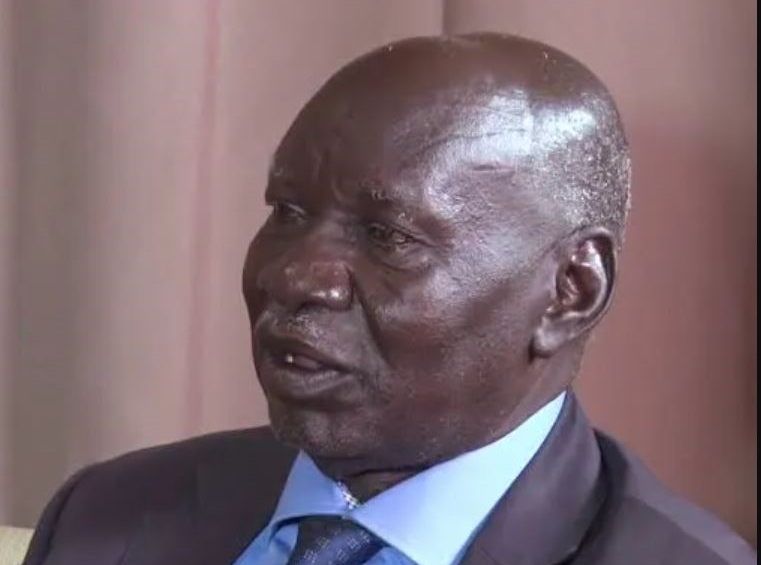
Daniel Awet Akot Former governor of Lakes state
Eng/ Chol Tong May first elected governor in Lakes
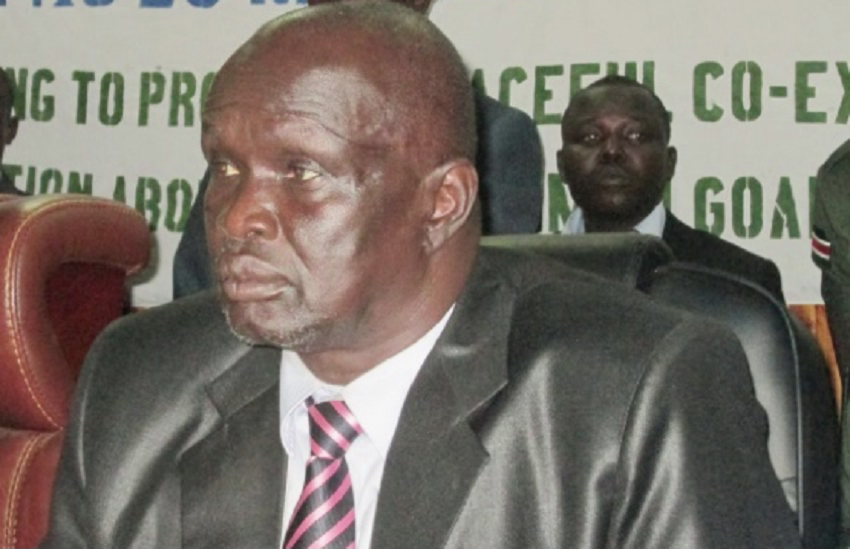
General Matur Chut Dhoul Appointed Governor of Lakes
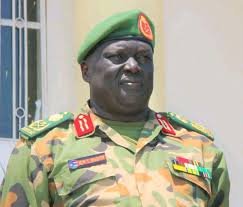
General Rin Tueny Mabor appointed Governor of Lakes State
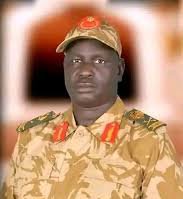
General Madhang Majok Meen